
Introduction: Biomethanol as a Maritime Decarbonization Solution…
As the maritime industry intensifies its pursuit of decarbonization, renewable methanol derived from forest biomass presents an increasingly viable path forward. The United States, with its abundant forestry resources and extensive coastal infrastructure, is particularly well-positioned to anchor this transition. Yet transforming woody residues into drop-in marine fuel hinges on a robust, carefully orchestrated logistics ecosystem. From forest floor to fuel bunkering, every segment of the supply chain must operate in harmony to deliver cost-effective, reliable, and emissions-compliant biomethanol at scale.
Feedstock Sourcing and Aggregation Strategy
Forestry biomass offers clear sustainability and domestic supply advantages, but its spatial dispersion and relatively low energy density impose significant logistical complexity. To supply a mid-sized biomethanol plant with a capacity of around 1,000 metric tons per day, or roughly 330,000 tons per year, developers require about 1.1 million dry tons of biomass annually, assuming a 30% yield efficiency. The catchment area for sourcing this volume ideally lies within a 50 to 75-mile radius of the plant. Transporting biomass beyond this distance becomes increasingly inefficient, both economically and environmentally, due to rising diesel use and labor costs.
In practice, this means engaging forestry contractors and wood product facilities to collect and consolidate residues such as sawdust, chips, bark, and storm-damaged timber. These materials often arrive in inconsistent form and with high moisture content, typically between 40% and 60%. To ensure process reliability in the gasifier, the biomass must be chipped to a uniform size, typically under two inches, and dried to a moisture content below 15%. Preprocessing may take place at satellite aggregation yards or on the plant site itself, depending on regional supply logistics and real estate availability.
Biomass Transport and On-Site Storage
Biomass transport to the plant is typically handled by walking floor trailers or chip vans, which can carry between 15 and 20 tons per trip. For a facility operating at full capacity, this translates to more than 150 truck deliveries per day. If the site is connected to a regional or Class I rail line, a rail siding can offer a supplemental transportation mode, especially for seasonal storage or deliveries from farther afield. Once delivered, a minimum of three to five days’ worth of biomass inventory, equivalent to 10,000 to 15,000 tons, should be stored in on-site piles or sheds to ensure supply stability in the face of bad weather or transport disruptions.
Site Access, Utilities, and Permitting Considerations
Site selection plays an equally pivotal role in optimizing logistics. Forest-rich states like Georgia, Alabama, and South Carolina stand out not just for their biomass resources, but also for their proximity to major ports and well-developed highway and rail networks. A strong siting strategy incorporates access to industrial zoning, reliable electricity (often up to 20 megawatts), and secure water supply systems capable of delivering 1.2 to 1.5 million gallons per day to support methanol synthesis.
Internal Material Flow: Conversion and Methanol Handling
Feedstock intake systems at the plant must be engineered for precision and resilience. Conveyor-fed hoppers are used to deliver biomass into the gasification system, with pre-installed magnetic separators and screening stations to remove debris or contaminants. Downstream, syngas cleanup systems including baghouses and catalytic scrubbers ensure that harmful particulates, tars, and sulfur compounds are removed before entering the synthesis loop.
The methanol synthesis process yields a product requiring further distillation and purification to meet marine fuel specifications. Fuel-grade methanol needs to reach a purity of 99.85% or higher. The finished product is then transferred to storage tanks that must include vapor recovery systems and appropriate linings to handle methanol’s corrosive properties and flammability. Each tank typically holds enough product to buffer one to two days’ worth of production, equivalent to 2,000 tons or more.
Downstream Logistics for Port Delivery and Bunkering
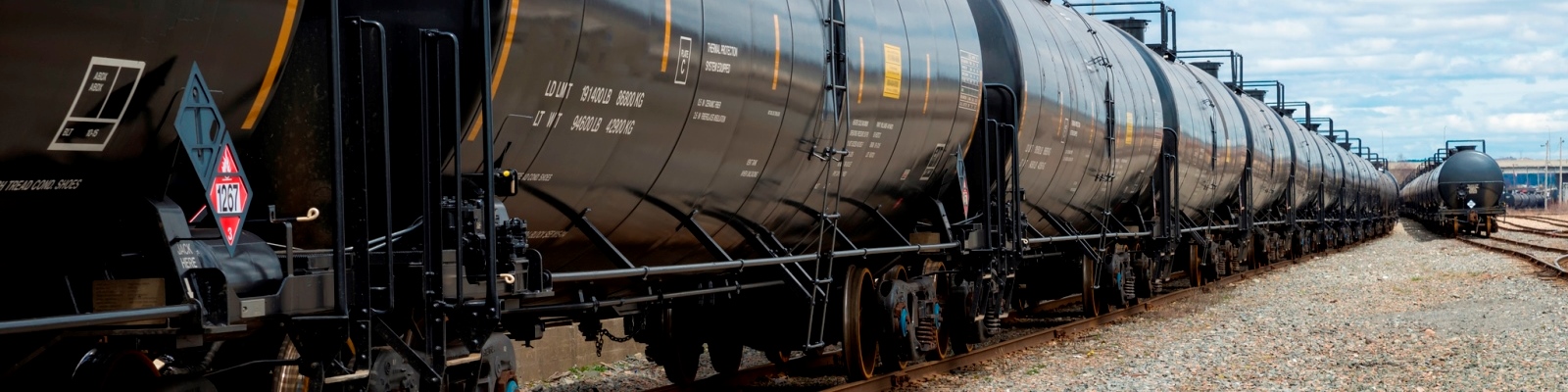
At this stage, downstream distribution logistics become the centerpiece of project success. Given that shipping industry offtakers often operate in coastal clusters, locating the biomethanol plant within 100 miles of a major port significantly simplifies transfer logistics and enhances market access. Overland transport to marine fuel terminals is handled using either insulated tank trucks, each holding roughly 6,000 gallons, or rail tank cars with capacities up to 30,000 gallons. In some cases, developers may invest in pipeline connections or form joint ventures with terminal operators to leverage existing bunkering infrastructure.
For marine delivery, ports must be equipped with bunkering arms and fire suppression systems that meet methanol’s handling standards. Methanol’s low flash point, around 52°F, requires strict compliance with HAZMAT protocols during storage and transfer. Whether fueling container ships, car carriers, or LNG tankers, the fuel must meet ISO fuel quality standards and pass rigorous inspection by port authorities.
Regulatory Compliance and Carbon Accounting
Beyond the physical flow of goods, there is a parallel layer of regulatory and documentation logistics to manage. Shipping customers increasingly demand fuel traceability back to source, often requiring International Sustainability and Carbon Certification (ISCC) or compliance with the EU’s Renewable Energy Directive (RED II). These certifications require complete chain-of-custody documentation from harvest site through conversion and transport. Lifecycle greenhouse gas emissions must be tracked and verified, with a target intensity for marine methanol fuels often falling below 30 grams of CO₂ per megajoule. If biomethanol is to participate in California’s Low Carbon Fuel Standard or similar federal credit schemes, robust emissions accounting and reporting systems must be implemented.
Operations, Safety, and Digital Enablement
While much attention is given to feedstock and fuel logistics, ongoing operational supply chains also demand strategic oversight. The facility will typically employ between 80 and 120 people, requiring transport access for commuting, housing considerations for rural workers, and a steady inflow of materials such as catalysts, gaskets, and spare parts. Logistics staff must be trained in hazardous materials handling, Department of Transportation compliance, and real-time monitoring systems. Emergency preparedness, ranging from chemical spill protocols to fire response drills, is integral to both safety and permitting.
Digital integration has become a major enabler of logistics performance in biomethanol projects. Fleet routing tools help optimize biomass collection routes, while SCADA systems and digital tank gauges offer real-time inventory visibility. More advanced deployments include RFID tagging of inbound and outbound shipments, as well as blockchain-ledger systems that provide immutable traceability for sustainability reporting.
Conclusion: Creating a Carbon-Smart Value Chain
Ultimately, the strength of a biomethanol project lies not just in its feedstock supply or its ability to produce a clean fuel, but in the seamless movement of goods and data across the entire value chain. Forestry-based biomethanol destined for marine use must align backwoods collection routes with coastal fueling stations, managing risk, emissions, and throughput with equal discipline. In doing so, developers create a bridge between rural resource streams and global climate commitments, rooted in logistics, but delivered with ambition.